Scrapbook item


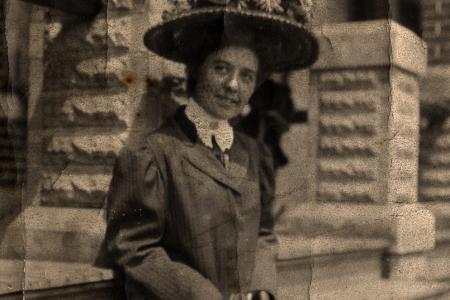
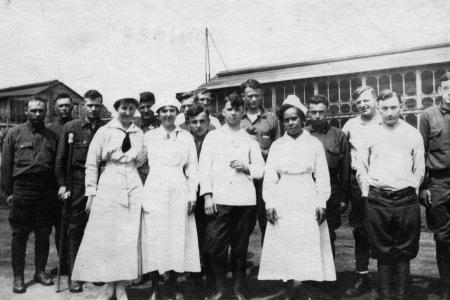
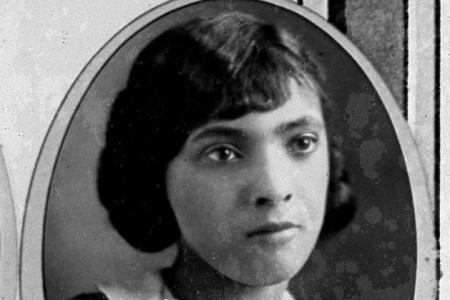
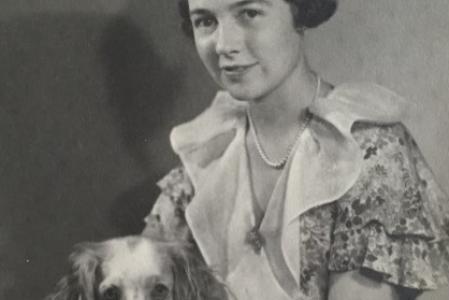
What better way to celebrate Women's History Month than by recognizing the remarkable achievements of the women of Worthington?
Through their public service and private contributions, women have made Worthington what it is today. Long before they could vote or hold office, women served the community through non-governing roles in their churches. When Worthington founded its Anti-Slavery Society in 1835, 24 of the 67 signers were women--an unusual percentage in an era when women's public voice was widely restricted.
For 15 years, Worthington was also home to the Worthington Female Seminary, a school for women. Built in 1842 at a time when educational opportunities for women were scarce, the school operated until 1857.
In later decades, the roles available to women expanded. When women won the right to vote in 1920, Maude Mabra was the first woman to cast her ballot in Worthington.
Worthington’s businesswomen have included Merite Snouffer, who was the proprietor of the Worthington Inn for several years in the mid-1900s. Bernice Letson (née Warner) operated an unusual and highly successful home business starting in the late 1930s: selling earthworms for gardeners that she raised in a compost pile in her backyard. According to a 1956 profile in the "Columbus Dispatch," her Ohio Earthworm Farm sold about two million worms a year, plus tons of super fertile soil called Earth-Gold. Sales totaled about $20,000 annually.
Among Worthington women's contributions to the arts are Mary Sessions (née Johnson), who, along with her husband Francis, was an enthusiastic supporter of the arts and whose collection formed the basis of the Columbus Museum of Art's collection. Annetta Saint-Gaudens (née Johnson) became a nationally recognized sculptor and donated the land that later became Camp Mary Orton. And Dorothy Gill Barnes was an internationally recognized fiber artist and sculptor.
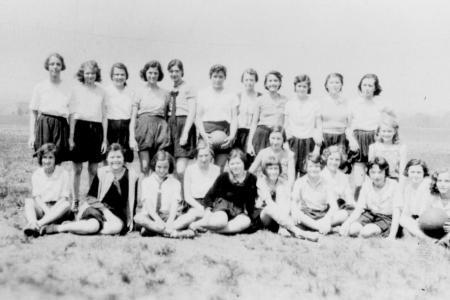
Throughout the 20th century, girls’ sports teams at Worthington High School included cheerleading and basketball; following the passage of Title IX in 1972, the list grew to encompass sports such as swimming, track, softball, tennis and gymnastics.
Women have also served in city offices such as council member, police lieutenant, director of parks and recreation and more.
Whether through government, sports, business, education and more, there’s no denying the impact that women have made on Worthington through the decades.